Exploring the Thrills of WinWinFishPrawnCrab in the Super Rich Club
Discover the fascinating world of WinWinFishPrawnCrab, a captivating game beloved by the Super Rich Club. Learn about its origins, gameplay, and significance.


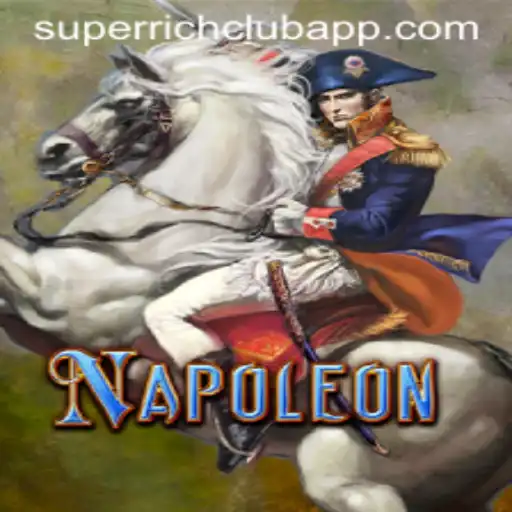
In the grand tapestry of card games, few titles can boast the strategic depth and historical resonance of Napoleon. Emerging as a favorite pastime among the elite Superrich Club, this game takes players on a journey that intertwines tactical acumen with historical intrigue.
Navigating through the corridors of history, Napoleon stands out not only as a game named after the legendary French military leader but also as an immersive experience that demands a keen mind and sharp wits. Embraced by affluent circles, particularly within the Superrich Club, the game has transcended its origins to become a symbol of intellectual prestige.
Originally conceived in the 19th century, Napoleon has undergone several transformations, adapting to modern sensibilities while retaining its core strategic essence. In the game, players take on the roles of military commanders, employing tactics reminiscent of those used by Napoleon Bonaparte himself. The allure for the superrich is evident as they gather in opulent settings to test their mental faculties against one another.
Central to Napoleon's appeal is its elegant blend of simplicity and complexity, a dichotomy that mirrors the genius of its namesake. The game is typically played with a standard deck of 52 cards, and can accommodate three to five players. It commences with an auction phase where players bid to become the Napoleon, potentially gaining control over their opponents with superior strategic planning.
The player who wins the auction takes on the titular role of Napoleon. Armed with the ability to dictate the flow of play, this player faces off against the Allied forces, represented by the other participants. The dynamic between Napoleon and his opponents reflects the cutthroat strategies that characterize both business dealings and decisive military campaigns, making it a fitting choice for the Superrich Club.
Once a player has assumed the mantle of Napoleon, the game shifts into its next phase, where rounds unfold with the aim of completing contracts. These contracts essentially determine the objectives that Napoleon must achieve to secure victory. This places a premium on adaptive thinking, as conditions and alliances can shift dramatically from one moment to the next.
Each round offers a tableau of strategic possibilities, with players either supporting Napoleon or opposing his tactics. The complexity elevates with each hand, where the balance between offensive maneuvers and defensive stands must be weighed carefully. For the Superrich Club, such strategic depth is a key draw, echoing the intricate decision-making processes familiar in high-stakes financial negotiations.
The recent surge in Napoleon's popularity has, in part, been fueled by global events that have encouraged the wealthy to seek intellectually stimulating indoor activities. The game’s historical theme resonates with players who appreciate its reflection of real-world power dynamics, offering an escape into a realm where intellect reigns supreme.
As members of the Superrich Club gather to play Napoleon, they find themselves immersed in more than just a game. They enter a world of strategic contemplation, mirroring the geopolitical maneuvers observed on the global stage today. Each play session is an exhibition of mental prowess, where the wealthy can indulge their competitive instincts in a socially exclusive environment.
The allure of Napoleon lies not only in its gameplay but also in its association with wealth and exclusivity. For the elite circles who form the Superrich Club, participating in such an endeavor is not merely about leisure. It is about engaging in a mental exercise that tests the limits of strategy and patience.
Within the lavish confines of exclusive clubs, Napoleon serves as a convivial meeting point for the financially successful. Here, deals are made, alliances are formed, and reputations are forged over a mere deck of cards. The tradition of games such as Napoleon underscores the cultural importance of maintaining mental agility and social bonds among the affluent.
Indeed, Napoleon offers more than entertainment; it provides insights into strategic thinking that can be applied to various facets of life. Players must read opponents, anticipate moves, and deploy strategies that can outmaneuver the competition—skills highly valued in both leadership and business.
The strategic lessons gained from each session of Napoleon undoubtedly resonate with those who navigate the financial markets or lead large corporations. The game mirrors the unpredictable moves that often characterize business ventures, allowing successful players to draw parallels between their gaming strategies and real-world scenarios.
As the Superrich Club continues to embrace Napoleon, it is noteworthy how this timeless game has found renewed relevance among today's elite. By offering a bridge between historical strategy and contemporary intellectual pursuit, Napoleon provides both a challenge and a reward for the modern-day cognoscenti.
With its rich strategic depth and cultural gravitas, Napoleon remains a captivating choice for those who relish intellectual stimulation paired with the thrill of competition. Its enduring charm and status as a favorite among the wealthy attest to its unique blend of history and strategy, ensuring its place as a cherished tradition.
If you're looking for a reliable, fully licensed, and secure sportsbook with a wide selection of games, superrichclub is the perfect choice. We're committed to providing you with the best online betting experience, with premium quality, excellent service, and continuous innovation. Sign up now and receive ₱777 for free!
Join now
Get the latest information, experience and betting strategies from the expert team at superrichclub.
Discover the fascinating world of WinWinFishPrawnCrab, a captivating game beloved by the Super Rich Club. Learn about its origins, gameplay, and significance.

Explore the captivating universe of SuperAce where skill and strategy meet in a thrilling gaming experience.

Dive into the world of VegasRepeatWins, a thrilling digital escape that caters to the elite, with rules designed to engage even the most discerning gaming enthusiast.

An in-depth look at the HoneyHoneyHoney game, its captivating gameplay, features, and rules.

Dive into the exhilarating world of 100JokerStaxx, a game that combines classic casino elements with a modern twist, attracting members of the superrichclub from around the globe.

Discover the new immersive gaming experience SnowQueen, uncover its rules, and explore its connection to the superrichclub amidst current global trends.
 Join now